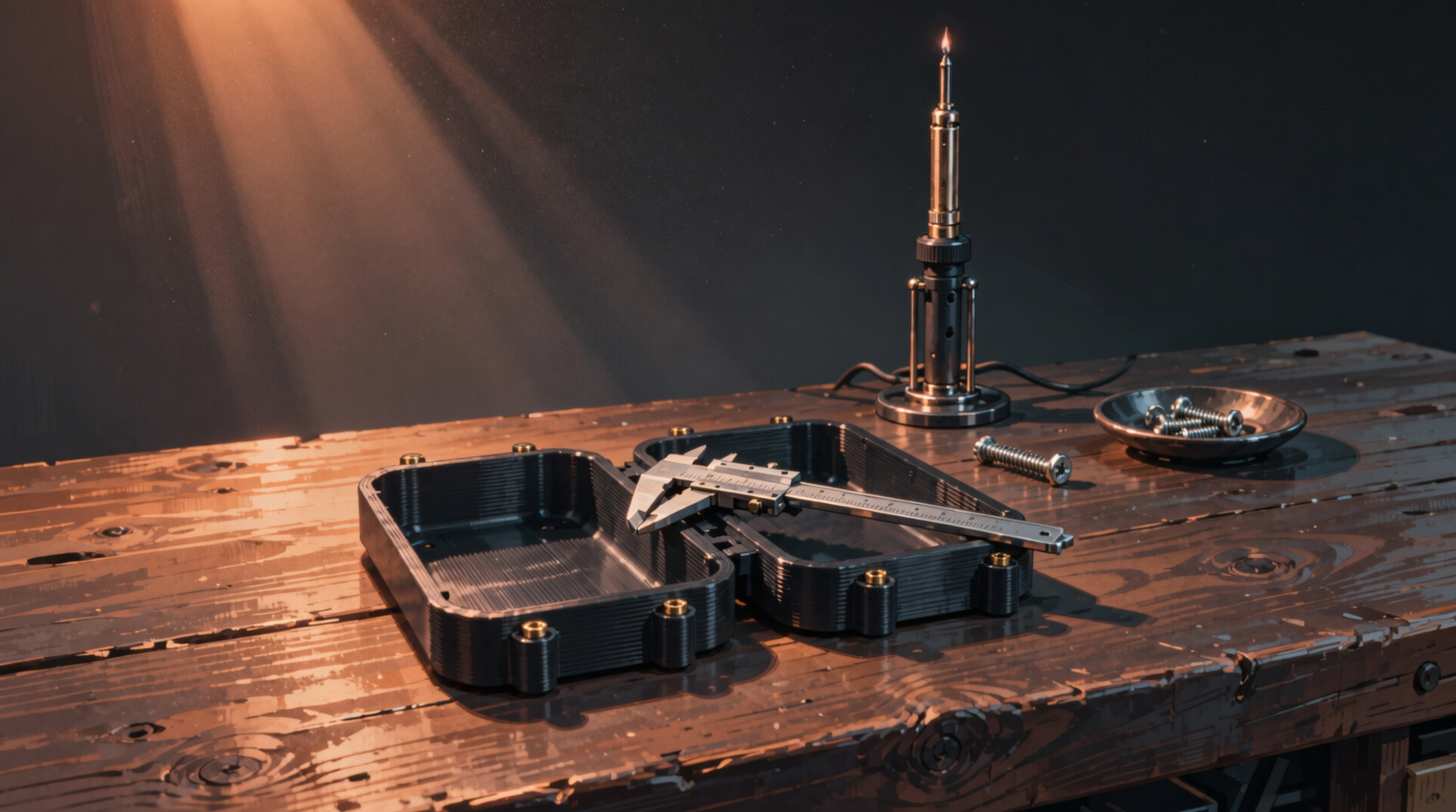
A printed plastic enclosure half open on a workbench, a brass heat-set insert glowing in a soldering iron tip beside a small pile of machine screws, an unlabelled caliper resting across the part

Printed Enclosure Tolerances: The Numbers Nobody Selling You a Tool Will Give

If you search for how thick to make an enclosure wall, every result on the first page is written by someone who wants to sell you something. The design-software company says use their generative tools and the tolerances will take care of themselves. The print-on-demand service says upload your model and let them decide. The CAD course says the numbers matter less than the workflow. The advice is not necessarily wrong. It is just that none of these people have any incentive to make you able to do it without them. ...
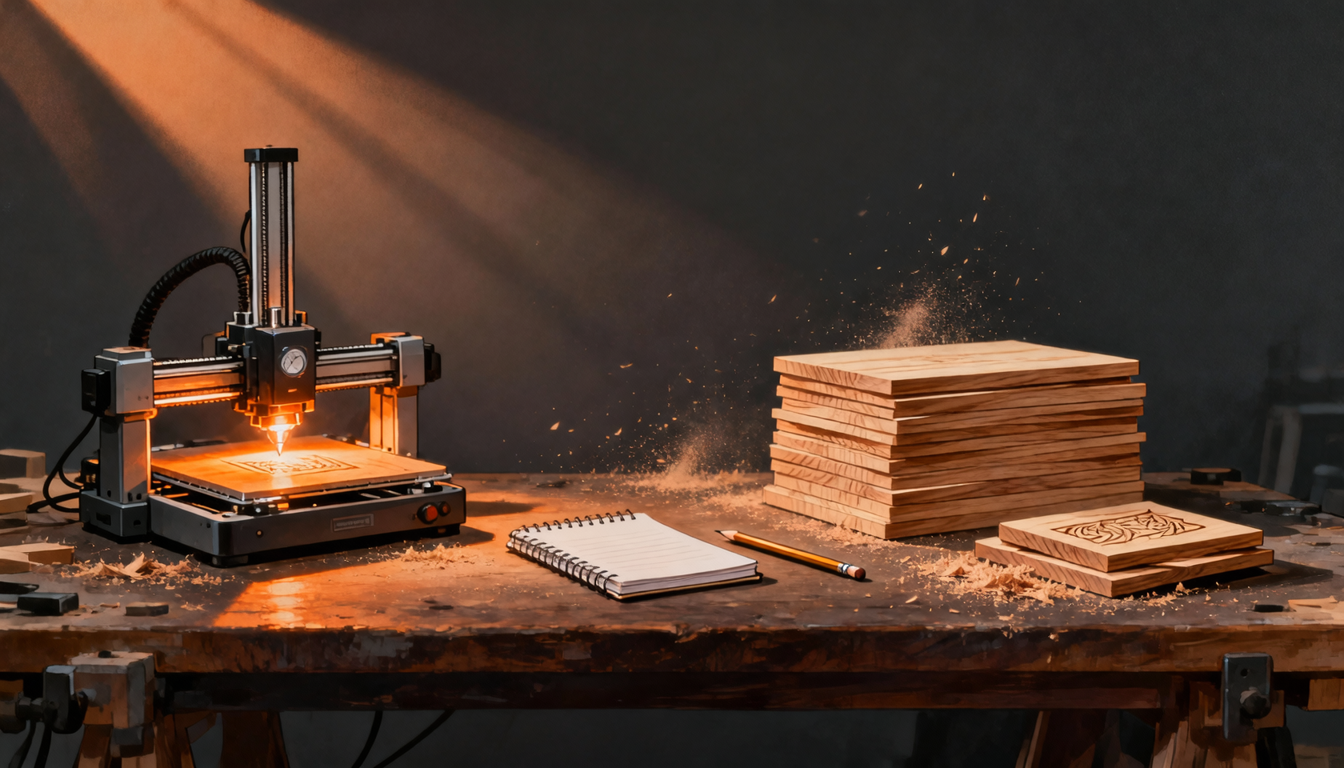
A desktop laser engraver beside a stack of finished engraved boards, a calculator and a notebook

Does a Laser Engraver Pay for Itself? The Payback Math, Checked

Search “does a laser engraver pay for itself” and the internet hands you a number. Usually under two months. That number is arrived at with a real formula, and the formula is correct. What gets slipped past you is the sales volume plugged into it. So here is the whole sum in the open: the vendor’s version, the same arithmetic with a real sales volume, and the three lines you should add before you spend the money. ...

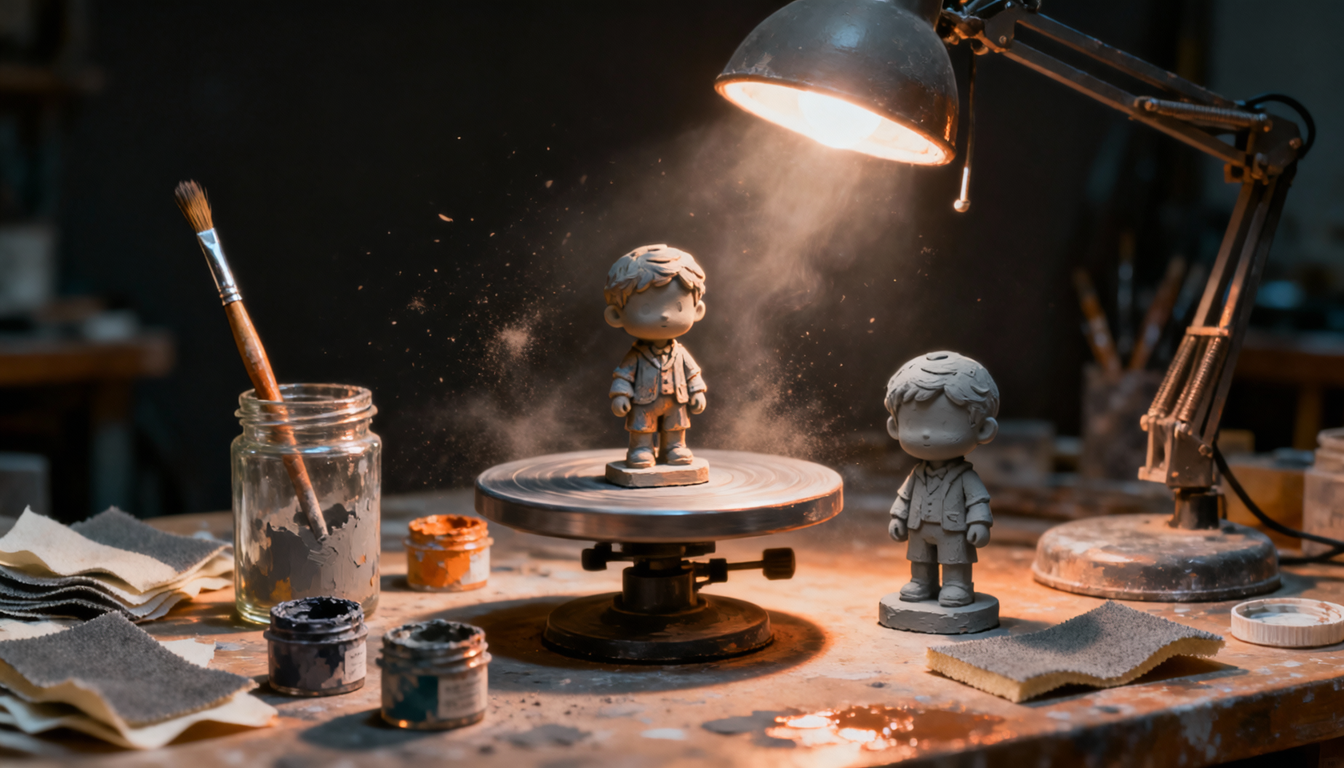
A finished painted 3D print on a workbench beside paint pots, brushes and a primed grey figure

Painting 3D Prints: Where a Plastic Toy Becomes an Object People Keep

There is a moment every person who buys a 3D printer goes through. The first print finishes, you lift it off the plate, and it is fine. It’s the shape you wanted. It works. And it looks exactly like what it is: extruded plastic, with visible layer lines and a matte flatness that reads as “prototype” no matter what the object is. Most people stop there. The printer goes on a shelf, and the machine gets filed under “neat, but I don’t have a use for it.” ...